Bird Ringing
Hörningsholmen, Alnö | 2026-08-19
My alarm goes off at 04:00. I sneak my feet over the edge of the bed and into my wool slippers. Throw on my kimono and tip-toe down the stairs. I brew some coffee and let the warmth and caffeine wake me up. Before going to bed I made sure to pack my backpack, the only thing I add in the morning is a thermos full of coffee and a sandwich to have for lunch. At 05:00 it’s getting bright out, and I am dressed and ready. There’s a light rain in the air as I grab my bike and head out.
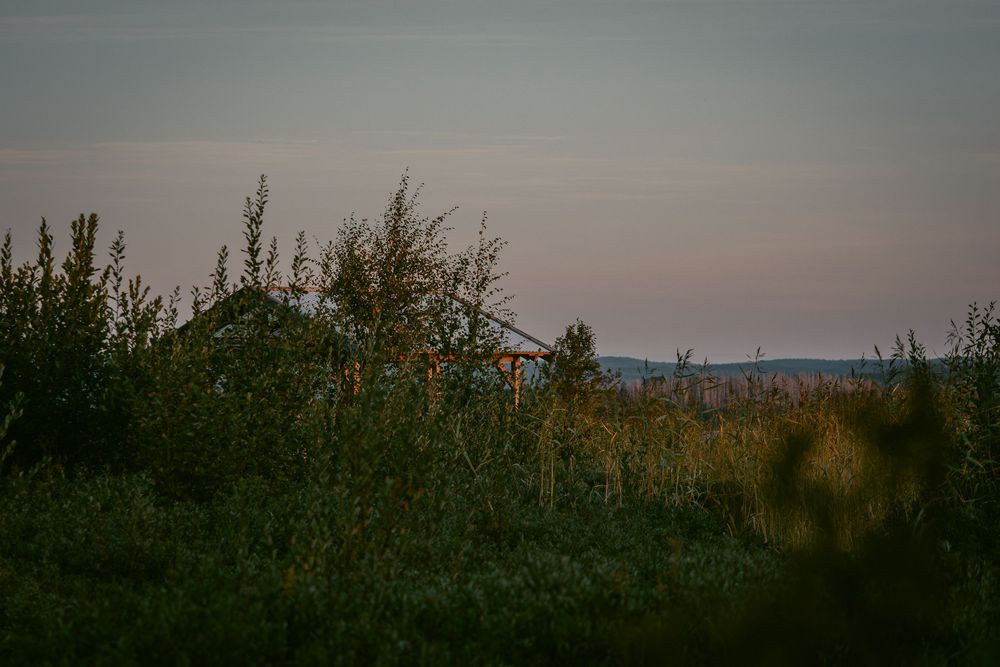
I arrive at 05:40, and I am standing with my bike amongst the tall reeds. Not a soul is to be seen. No nets. No sound. It’s as quiet as my bike ride was.
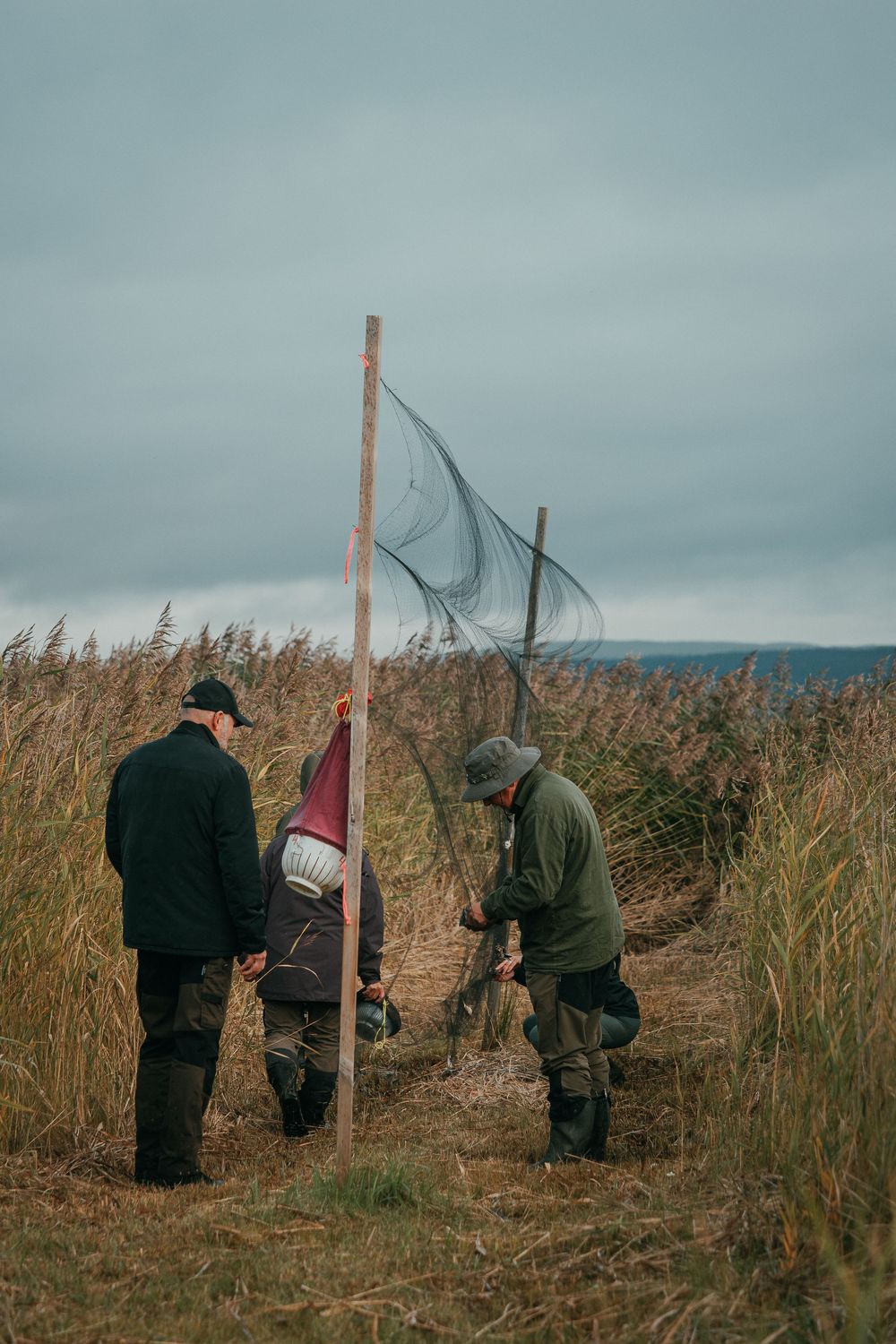
But, with some help through our communal WhatsApp-group, I find them. They were in the reeds on a peninsula 5 minutes to the northwest of me.
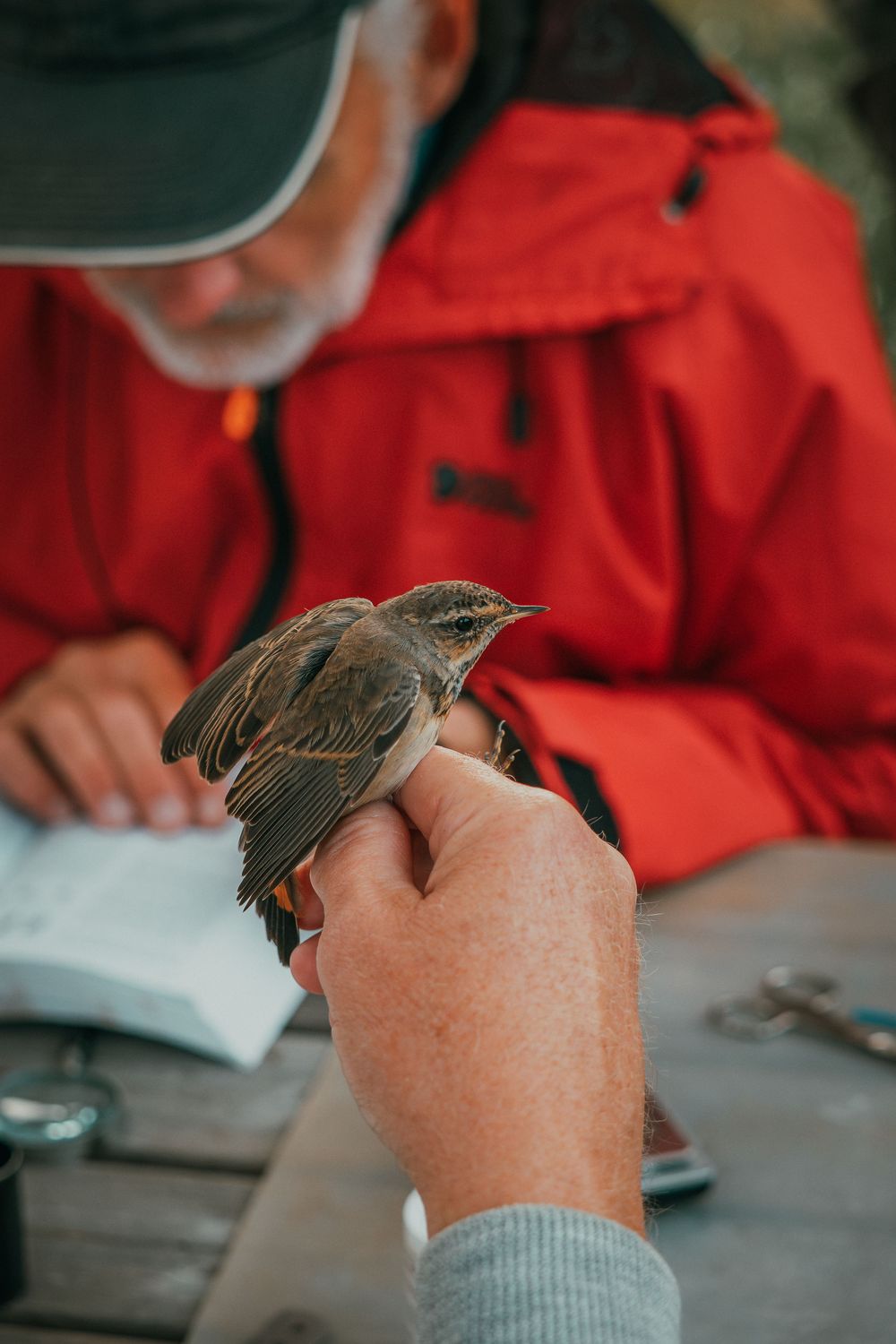
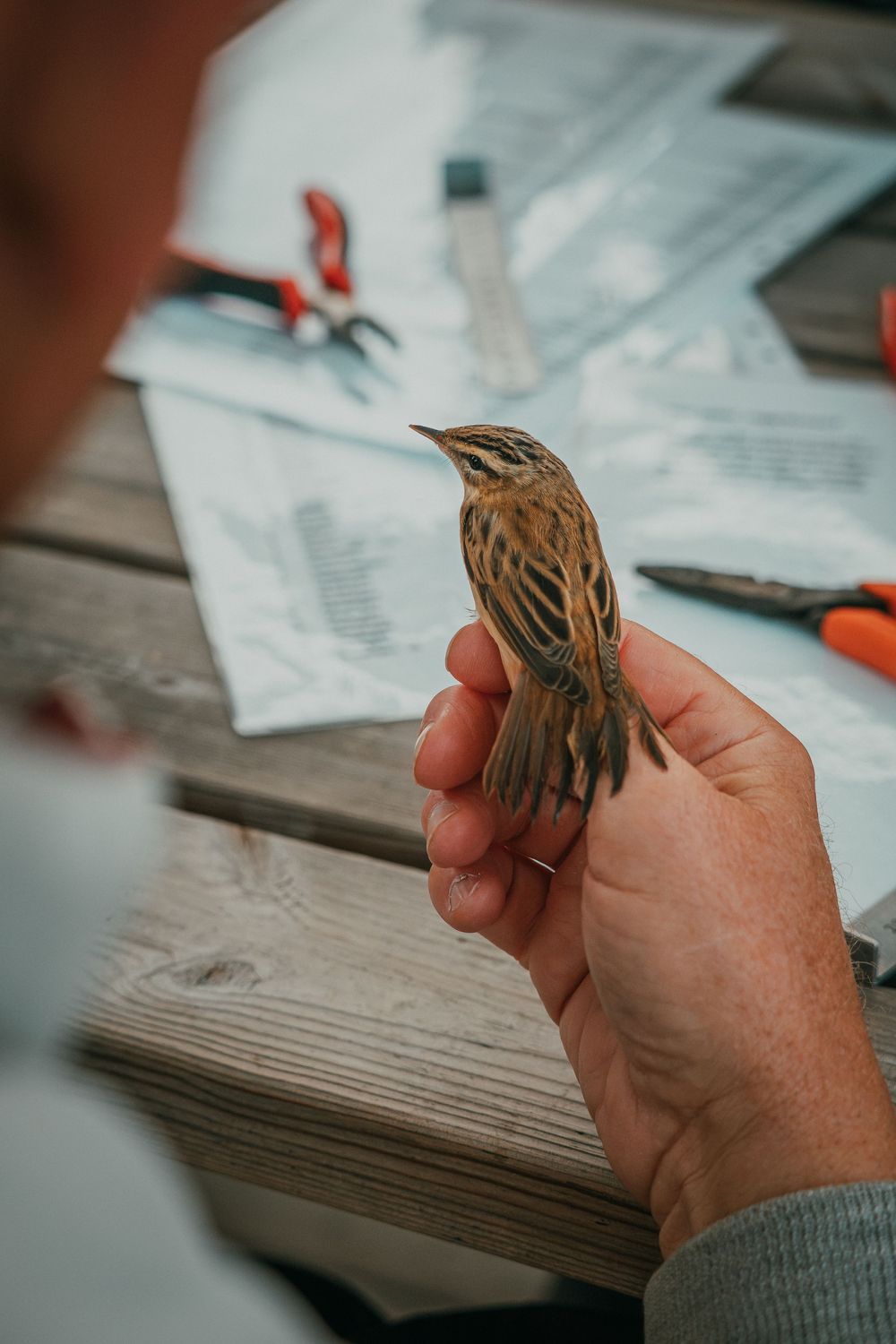
It’s the local birding community, and they are ringing (or banding) birds. It’s my first time and I am eager to be a part of it: To learn and to see the birds up close.
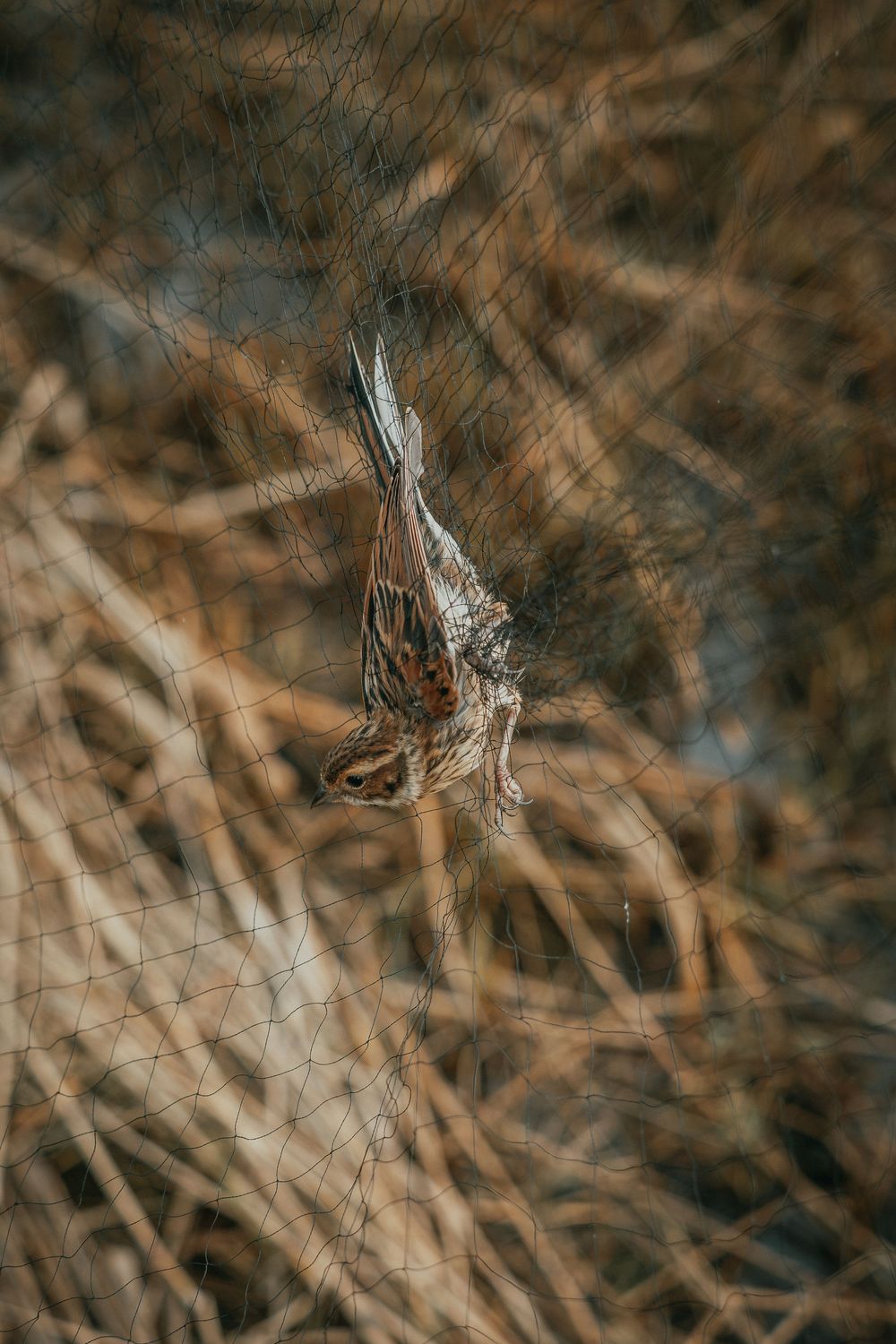
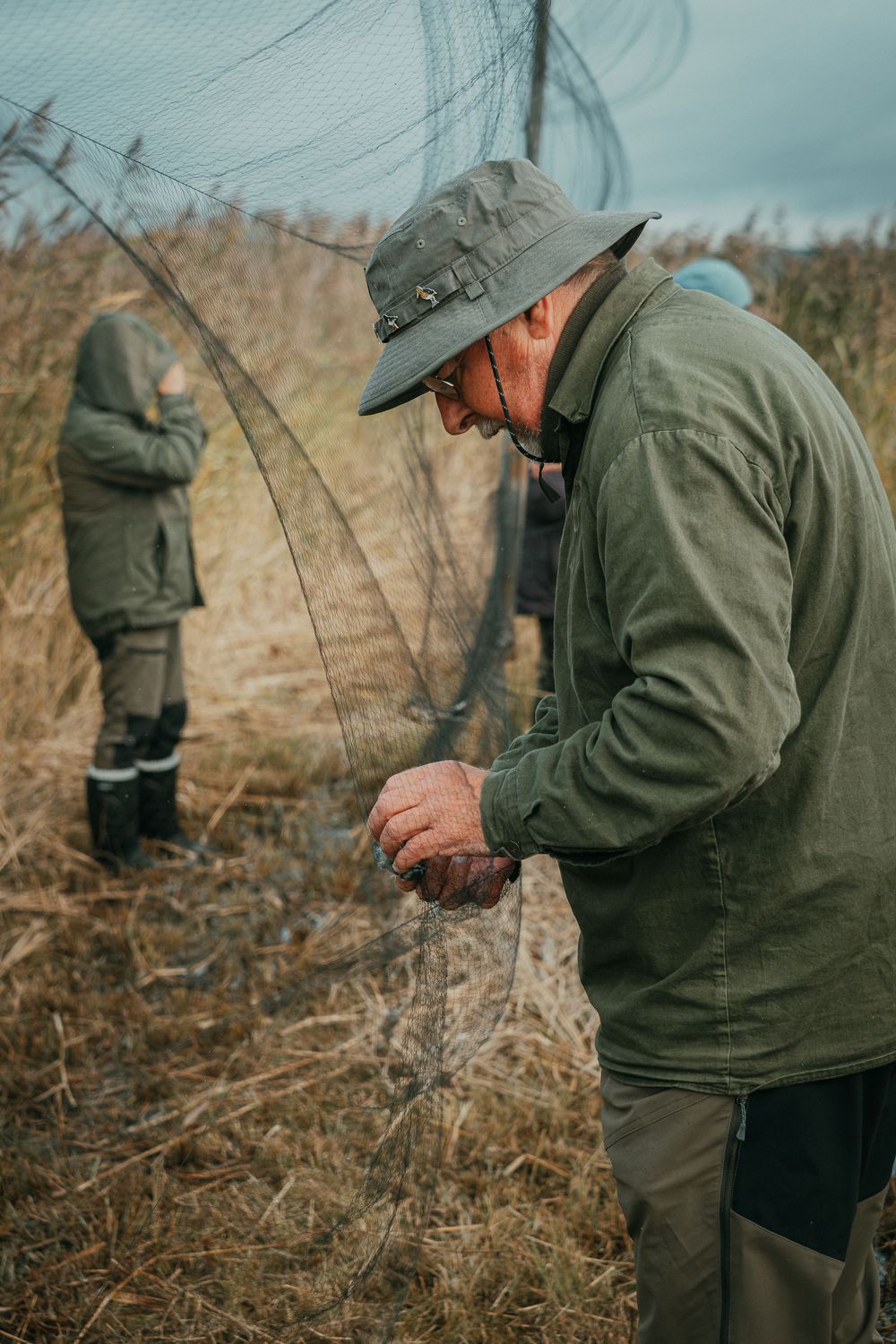
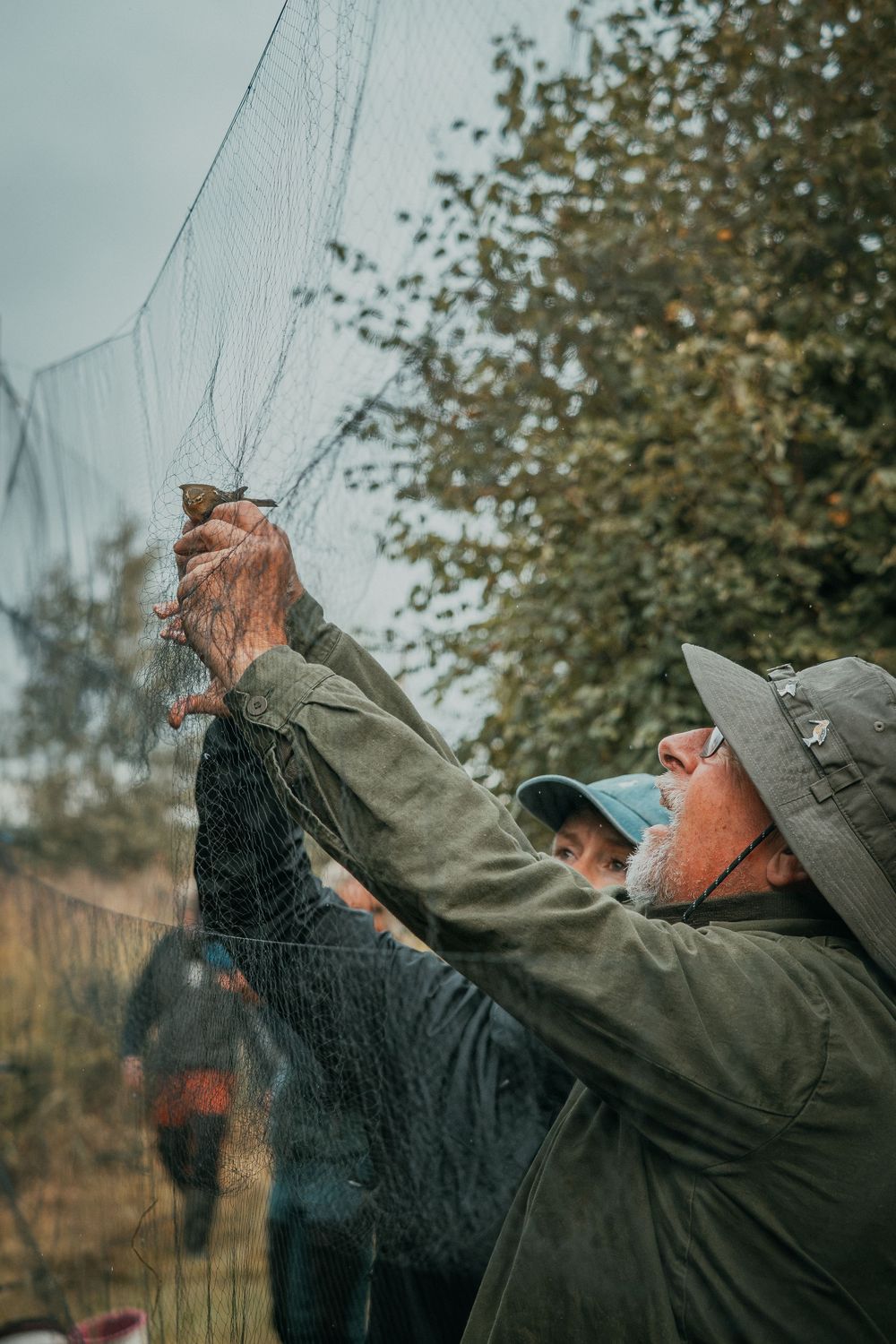
The nets that are put up in between the reeds have just been emptied when I arrive, and they are carrying several cullenders with fabric covers.
I can hear the wings flutter inside.
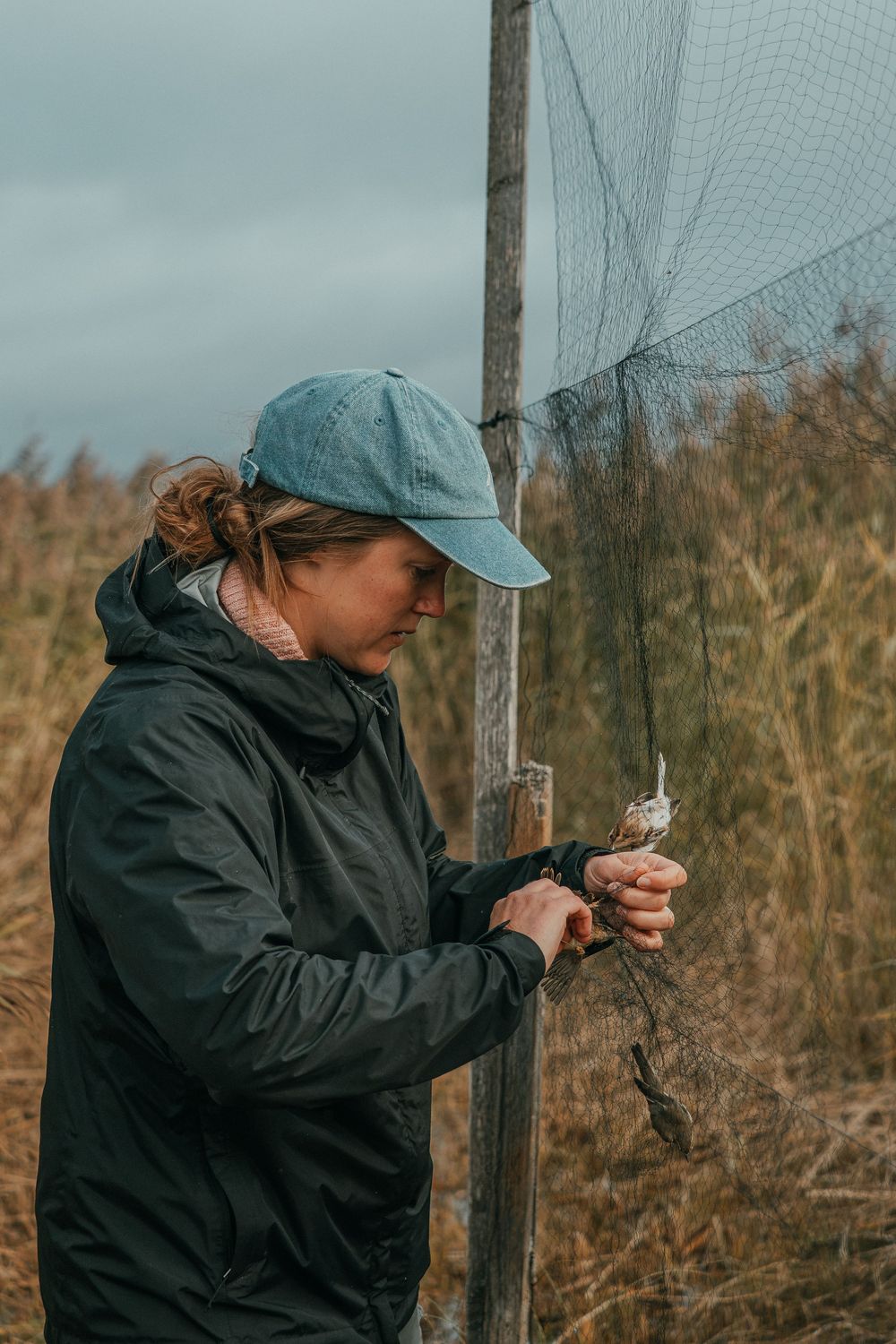
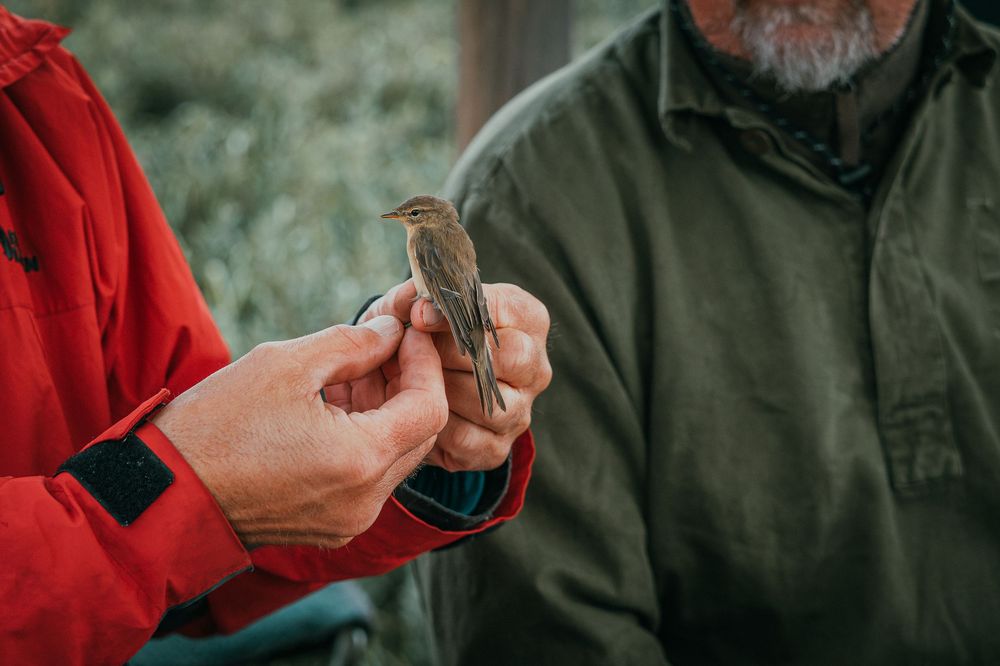
The people that work with this care deeply about birds, and no harm comes to them during this process. They try to be as fast as possible so that the birds are not in the nets for too long, and are so careful in removing them. While there is no physical harm, it is stressful for the birds and so being as fast as possible is important. The sooner the birds are released, the better. But, fast cannot mean being sloppy with any measurements, not properly putting on the rings or not holding the birds gently. It's a fine balance and quite the skill.
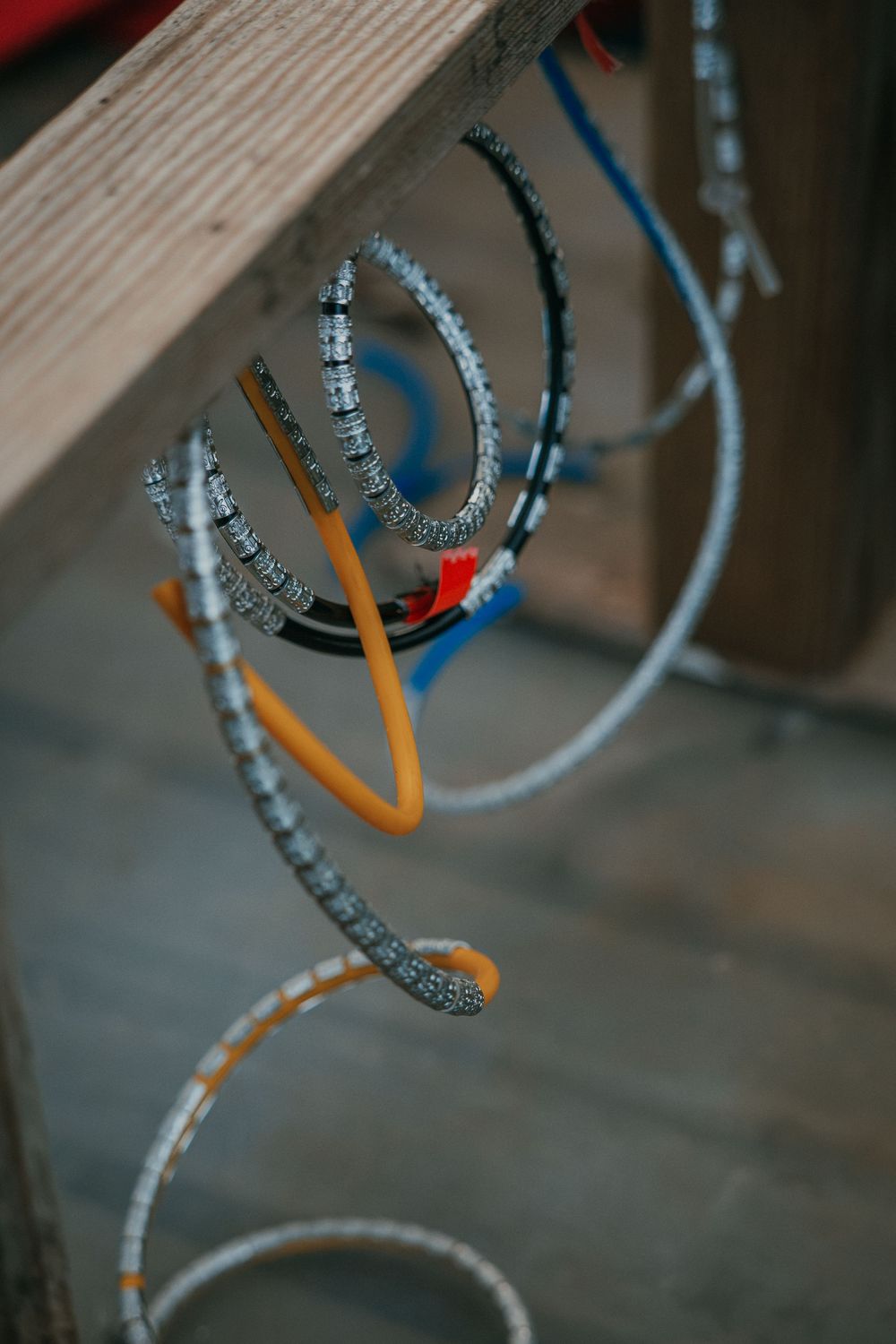
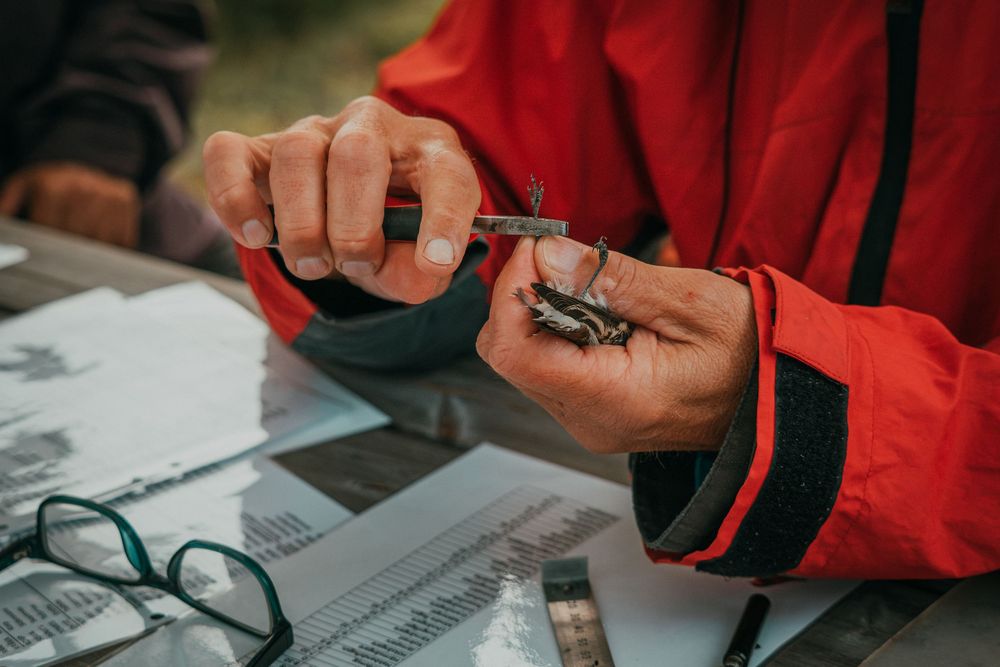
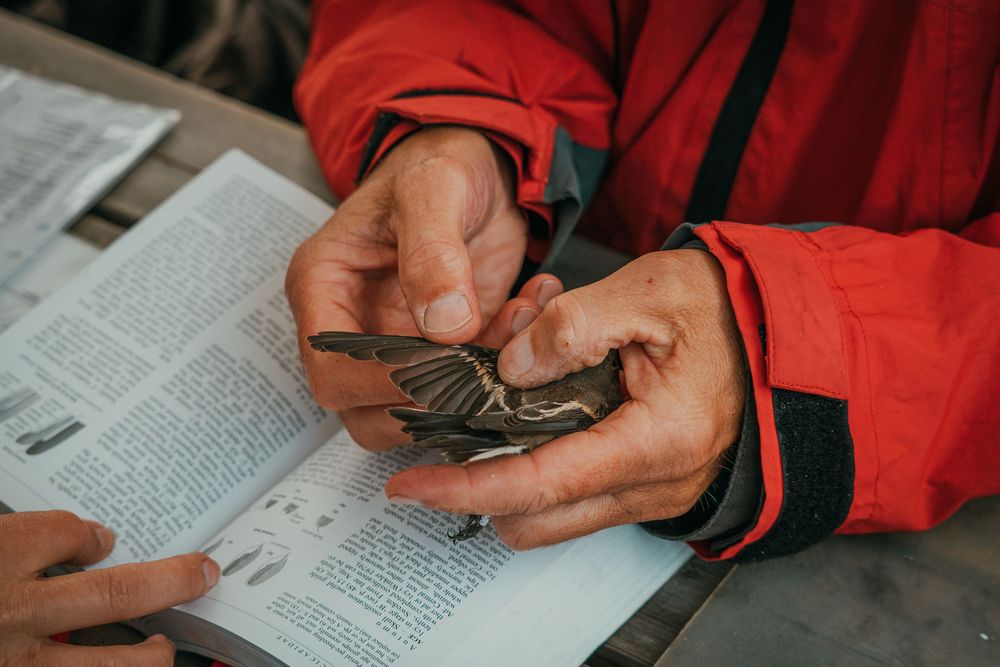
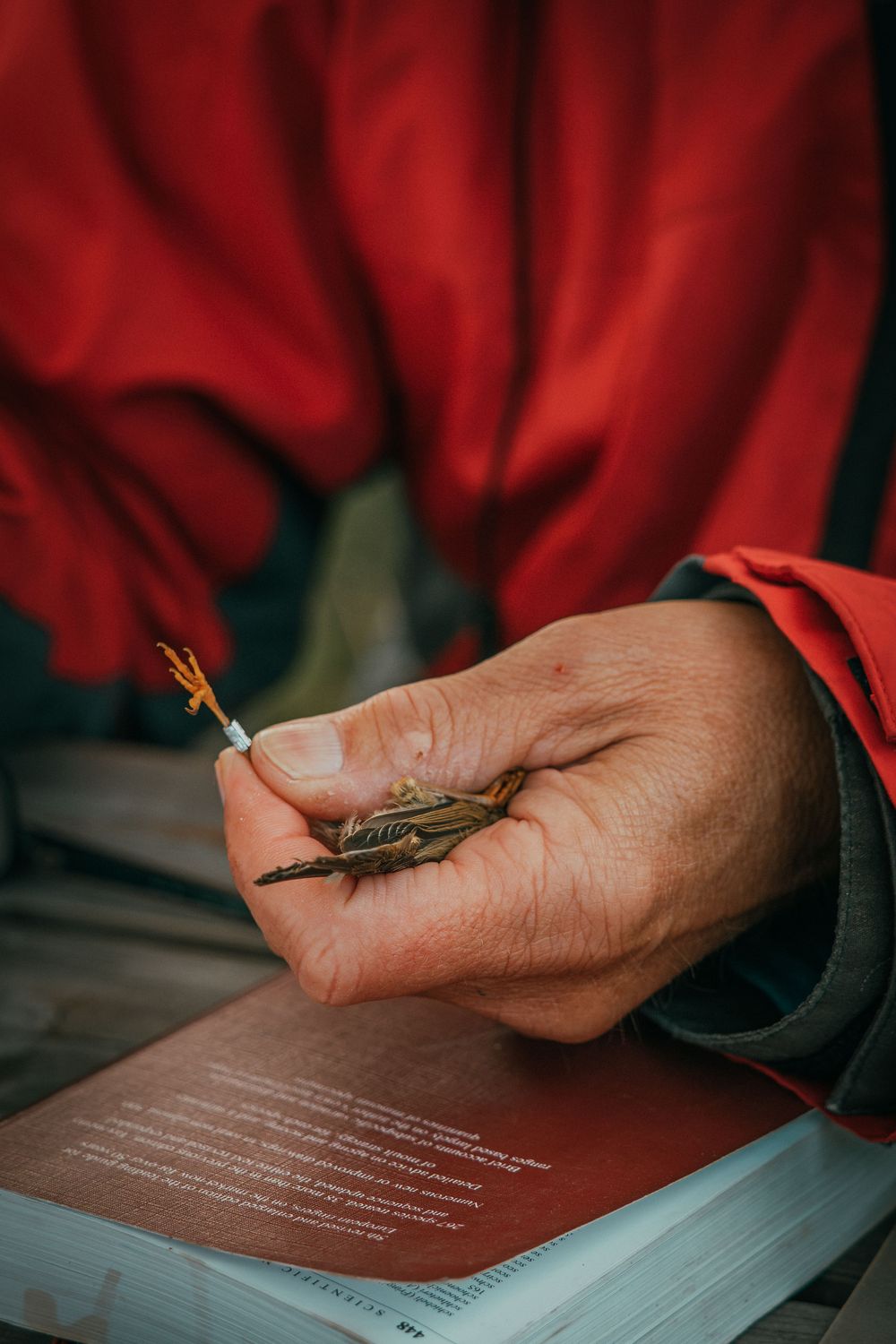
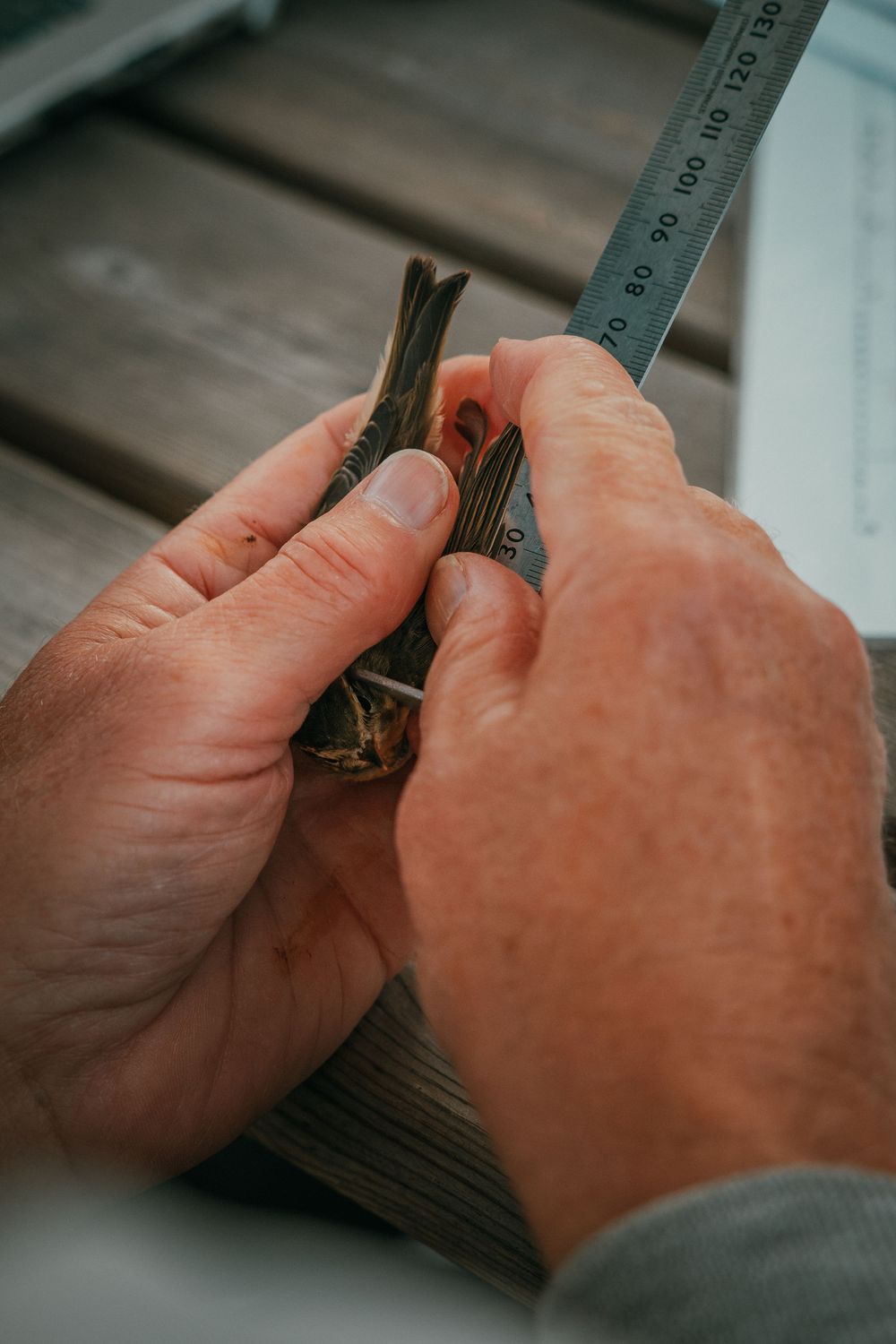
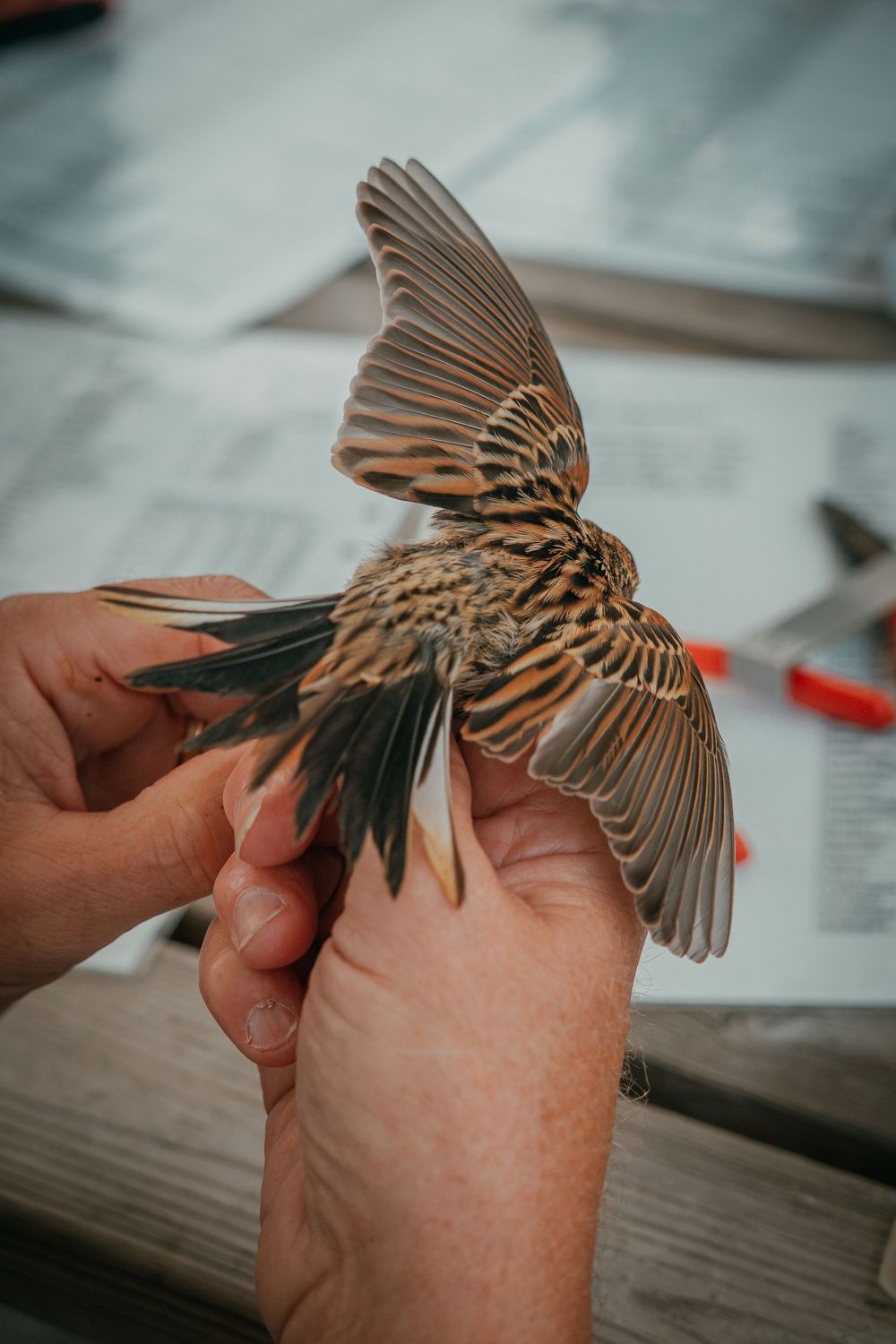
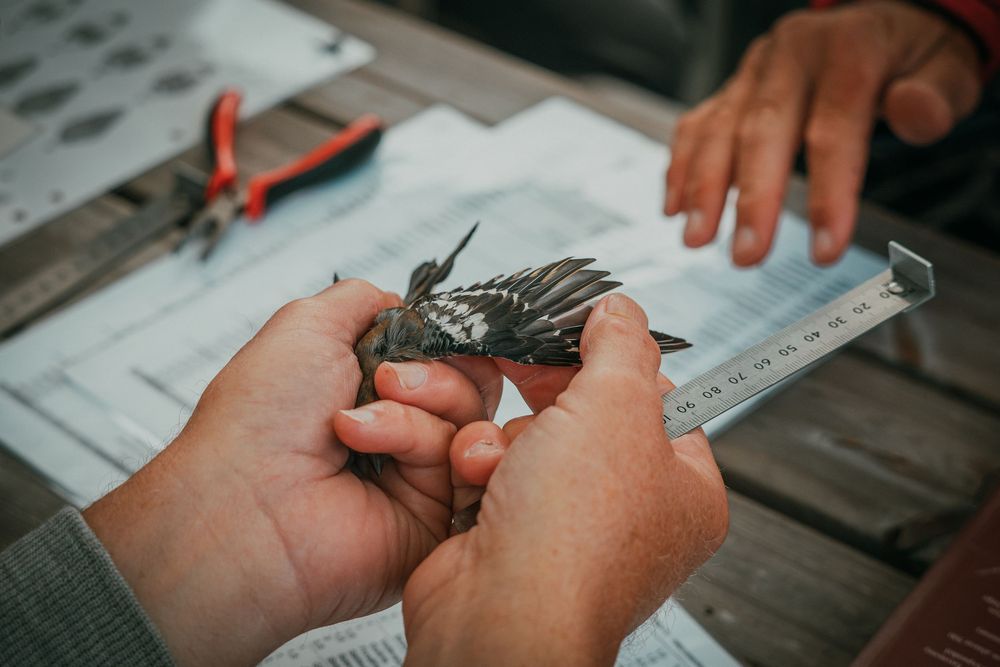
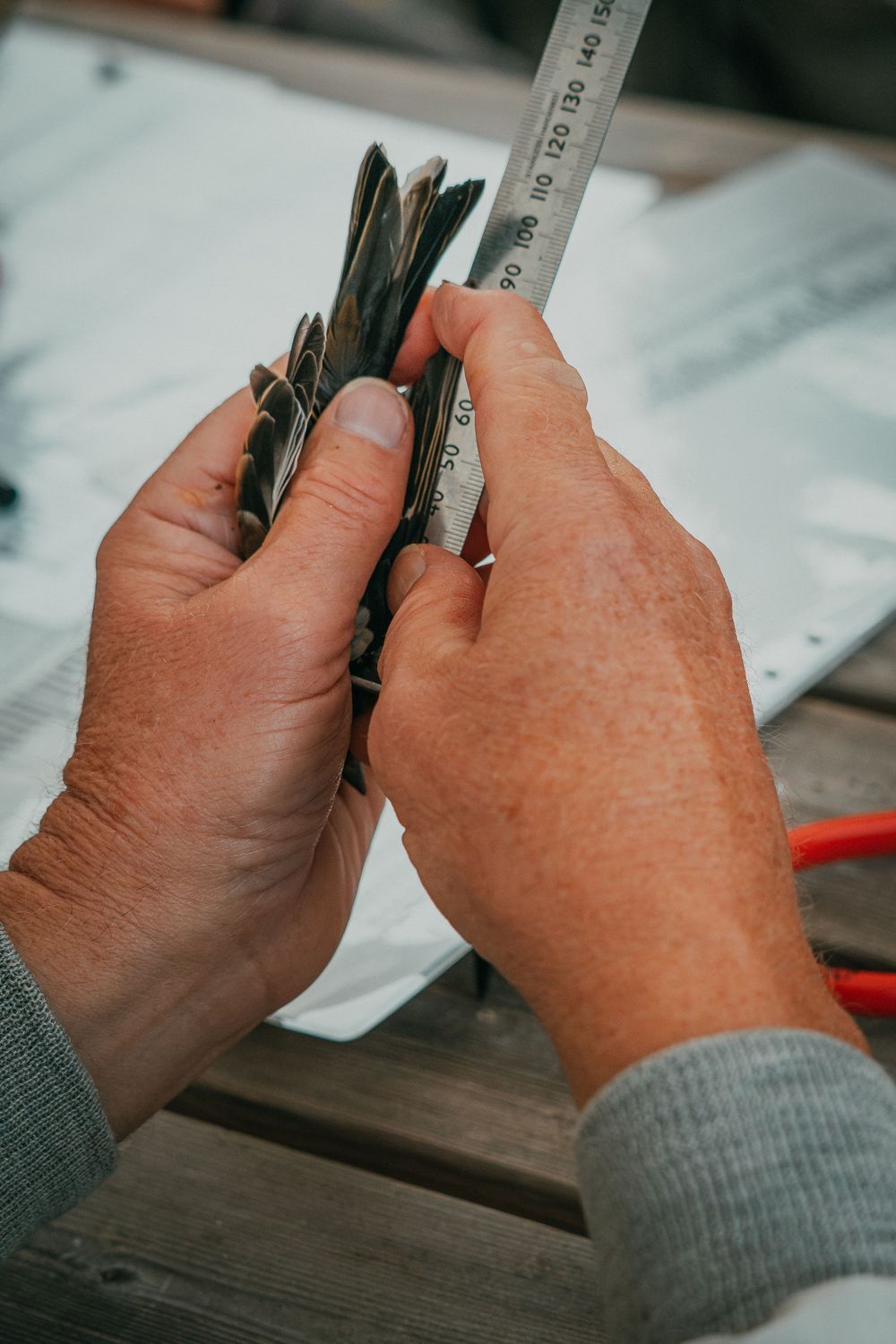
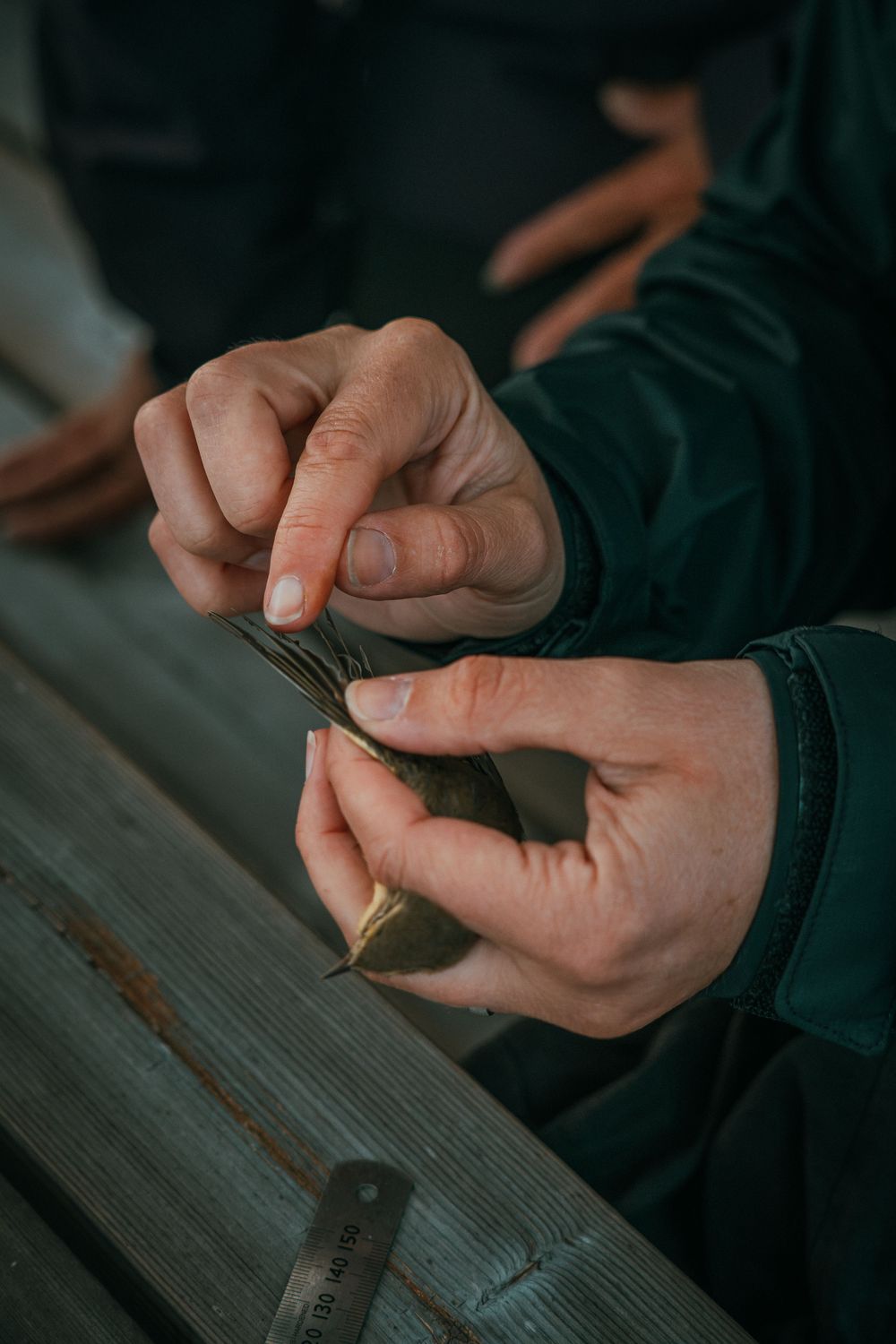
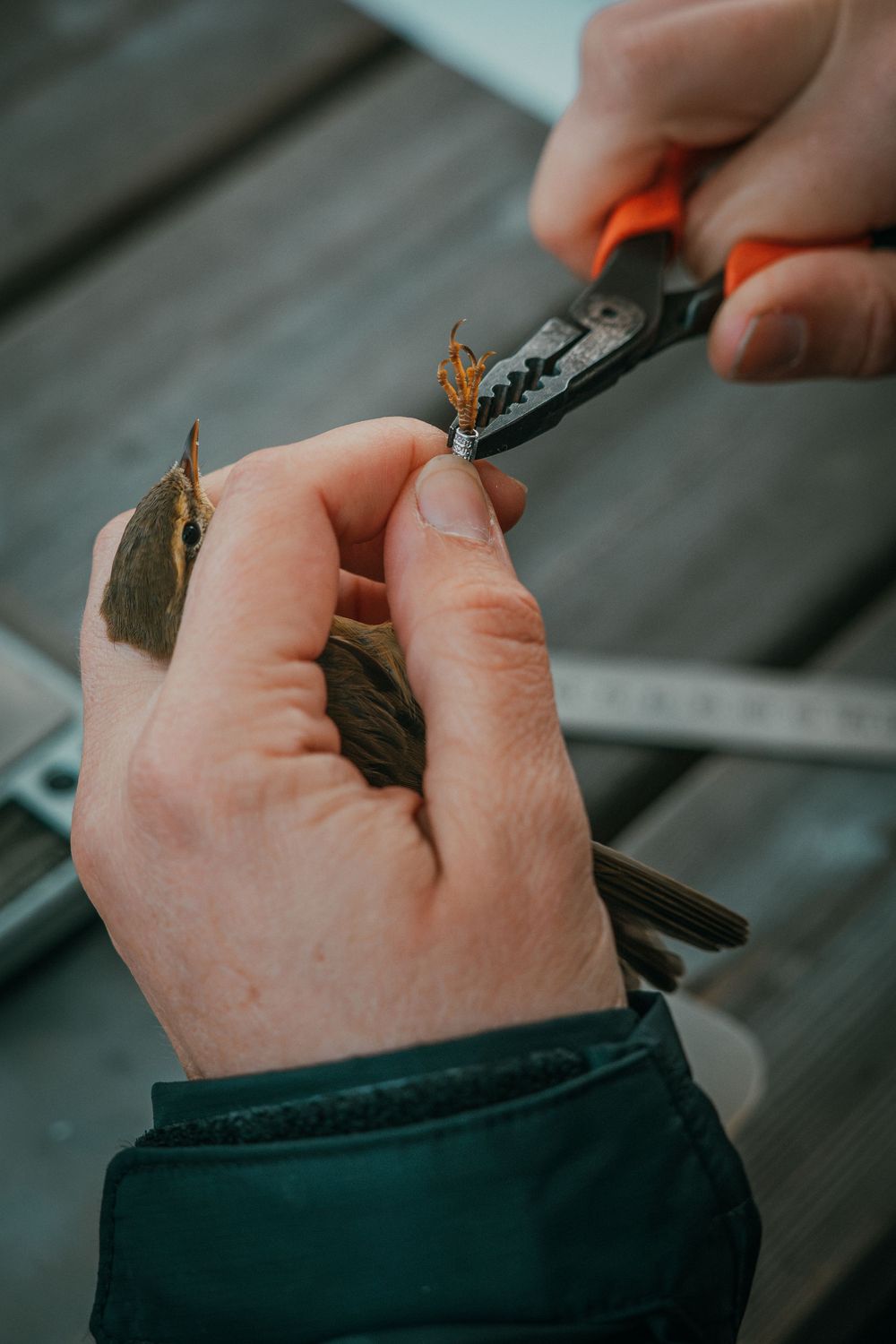
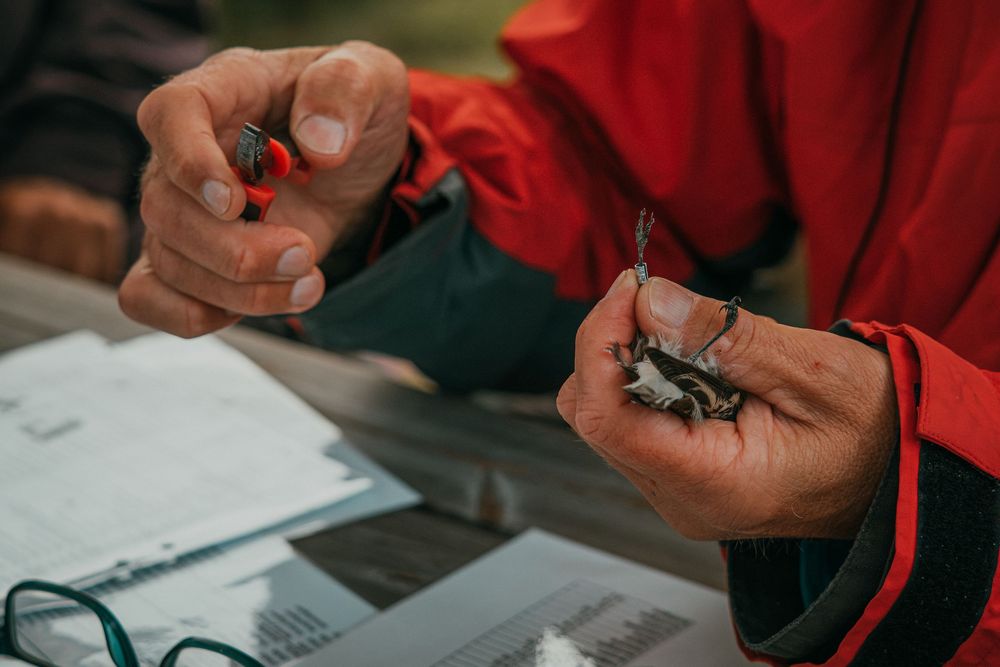
There’s a small shelter with a table and two benches where they’ve set up operations. Books and guides for identification, determining age and gender. A laptop to record it all. The different sized rings and pliers, rulers, scales and several pairs of binoculars. One at a time, a bird is taken out of a colander. The specie is named first, it helps with which ring size to use. Then the number on the ring is read out loud and noted. Putting it on is delicate. It needs to be loose on the leg as to not injure the bird, but tight enough that the foot can’t slip through. Once the ring is on the wings are measured and they take their weight. They also look at the color of their coat, count the different feathers on the wings and determine roughly the age of the bird (young or adult).
Then they are let go and as they fly off, a new one is taken out and the process repeats. Once all the birds have been marked and their information noted, it’s time to empty the nets again.
"Meet us in the reeds, the nets go up at 05:30"